
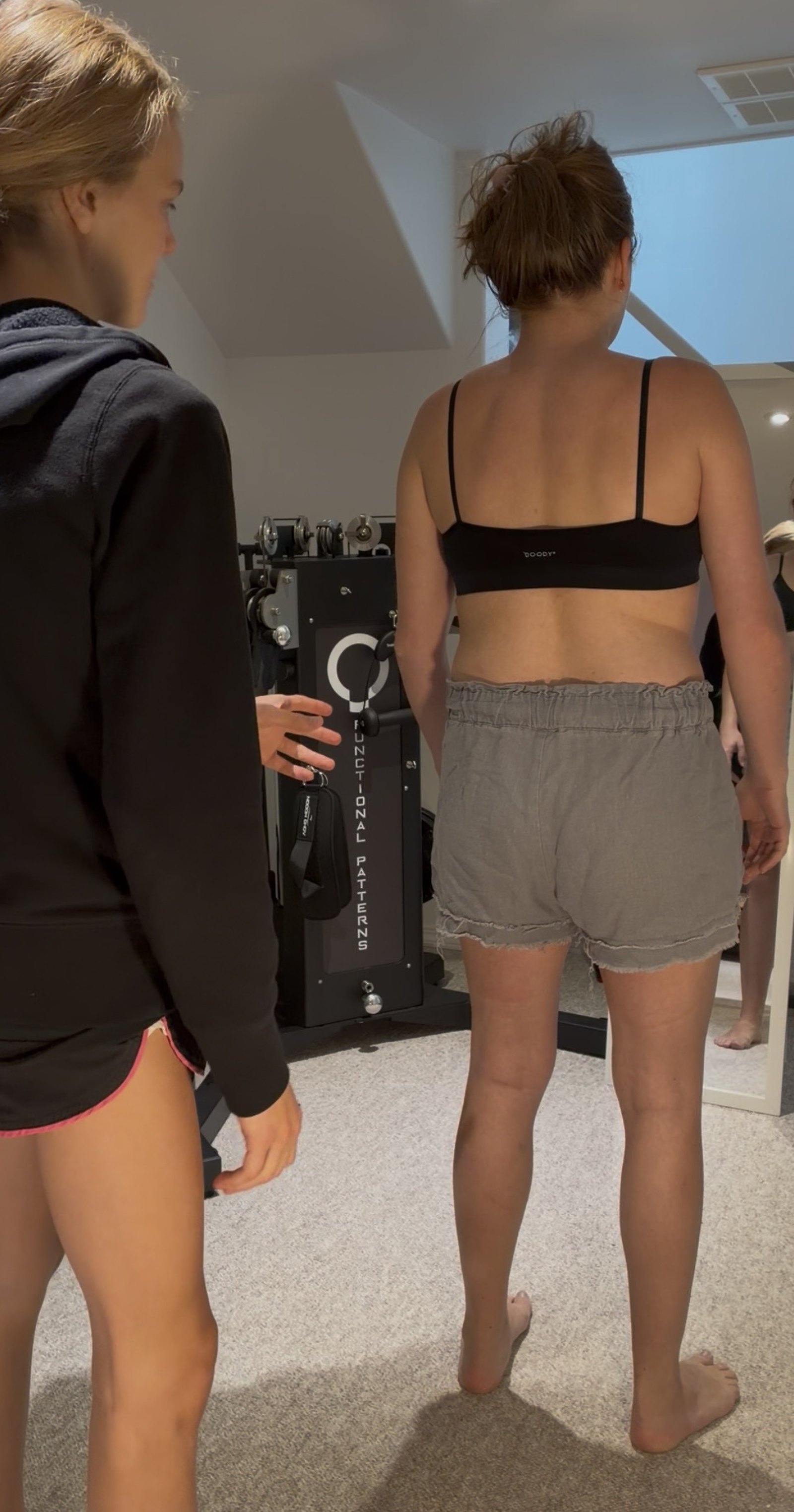
Posture is more than standing up straight
The way you stand is a reflection of how your whole body is moving and working together.
Posture isn’t something you should have to constantly think about or force into place. Instead, we look at the movement patterns behind it and train your body to become stronger, more coordinated, and better supported.
You might have noticed:
- uneven shoulders
- a rib that sticks out more than the other
- rounded shoulders
- kyphosis or lordosis
- a hip that sits higher than the other
- uneven weight distribution
None of them are a character flaw or something you can necessarily fix by remembering to “sit up straight.” They’re often signs of how your body has adapted to the way you move throughout the day.
Why “sit up straight” does not hold
You can hold yourself in a better-looking position for a few minutes, but that doesn’t change the movement patterns your body returns to when you’re not thinking about them. That’s why we don’t treat posture as simply a position to maintain.
We work on how you stand, walk and breathe, because those are the things you repeat most. Change what happens in those, and the standing photo changes on its own.
What to expect
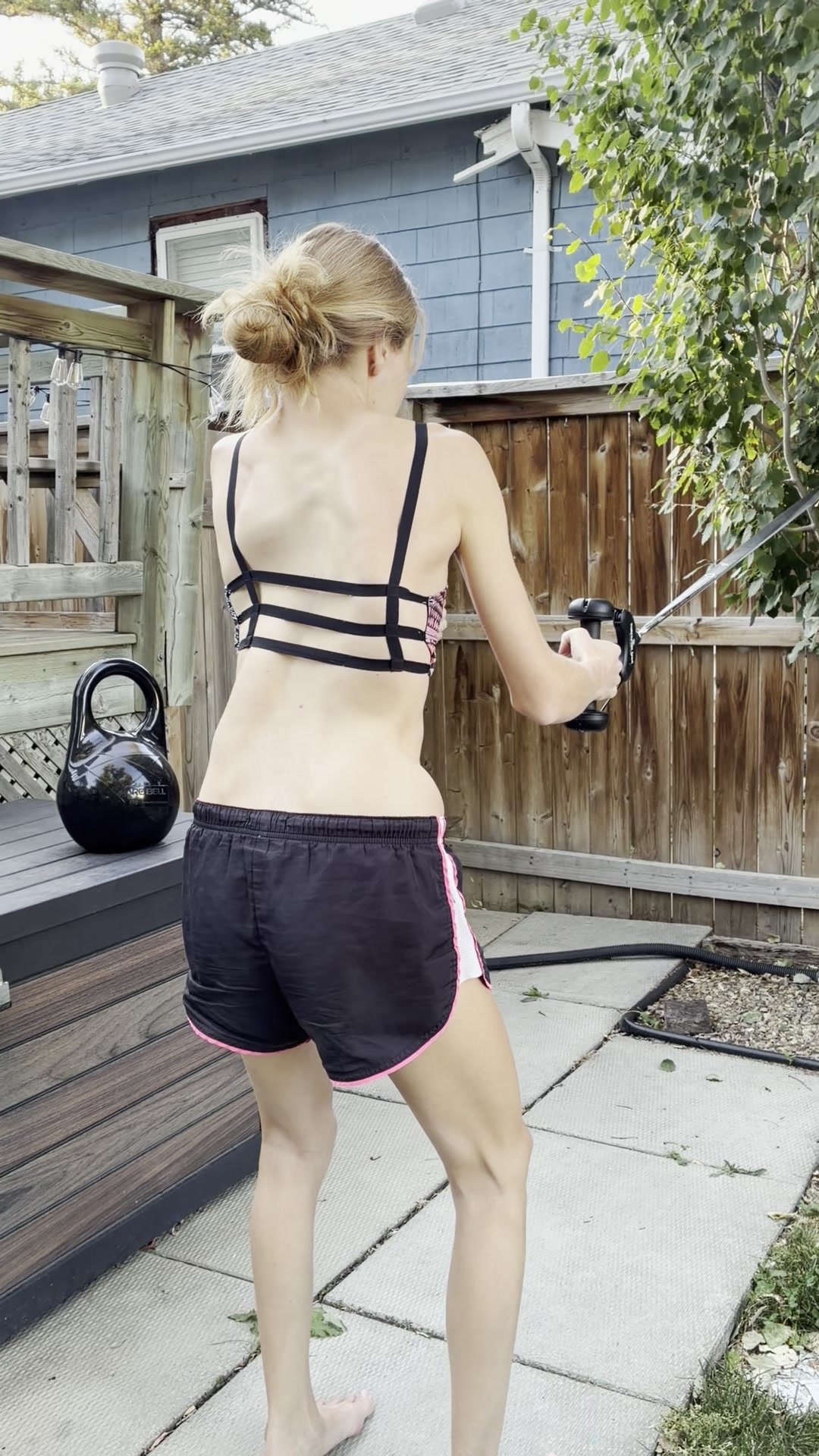
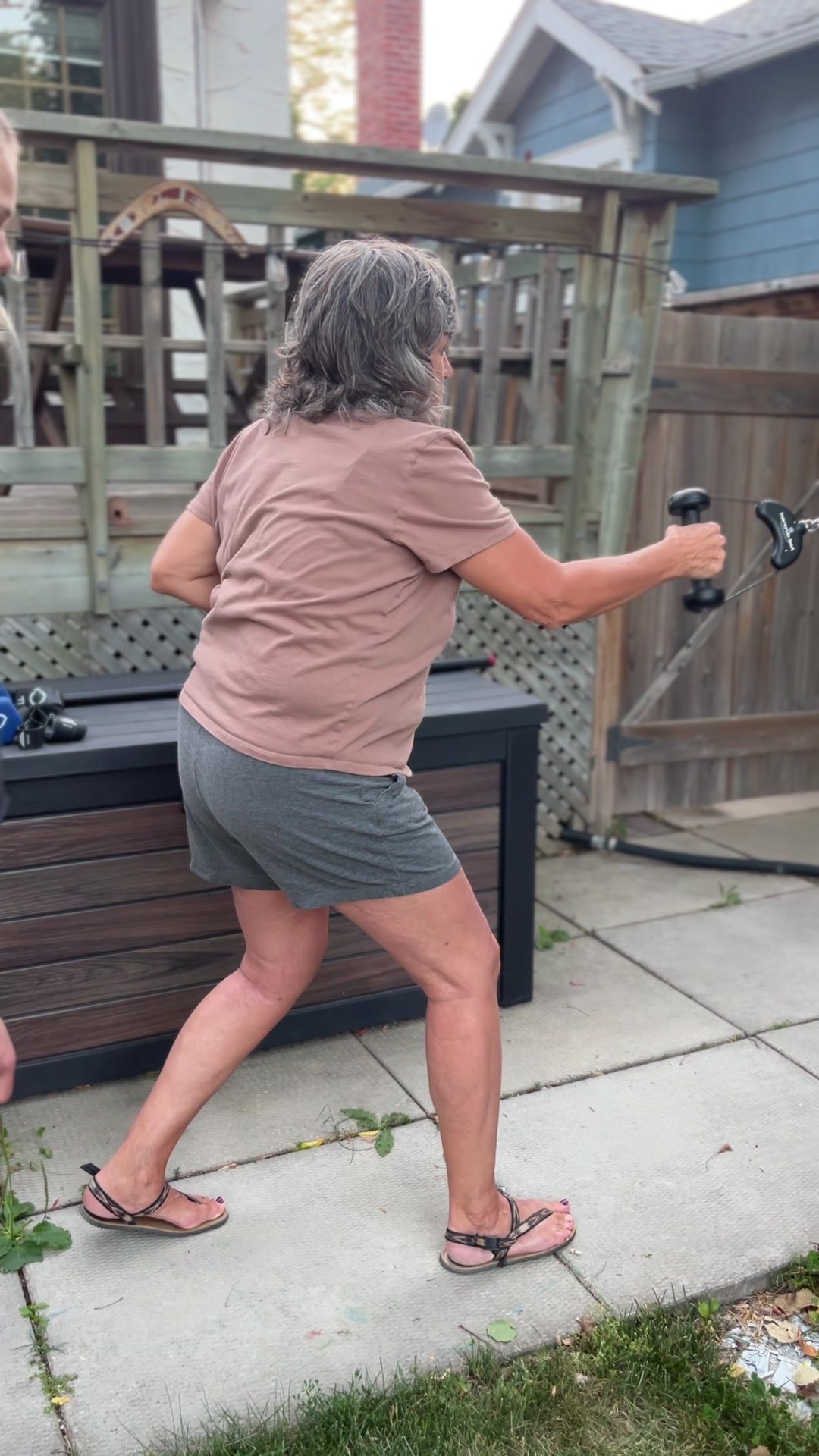
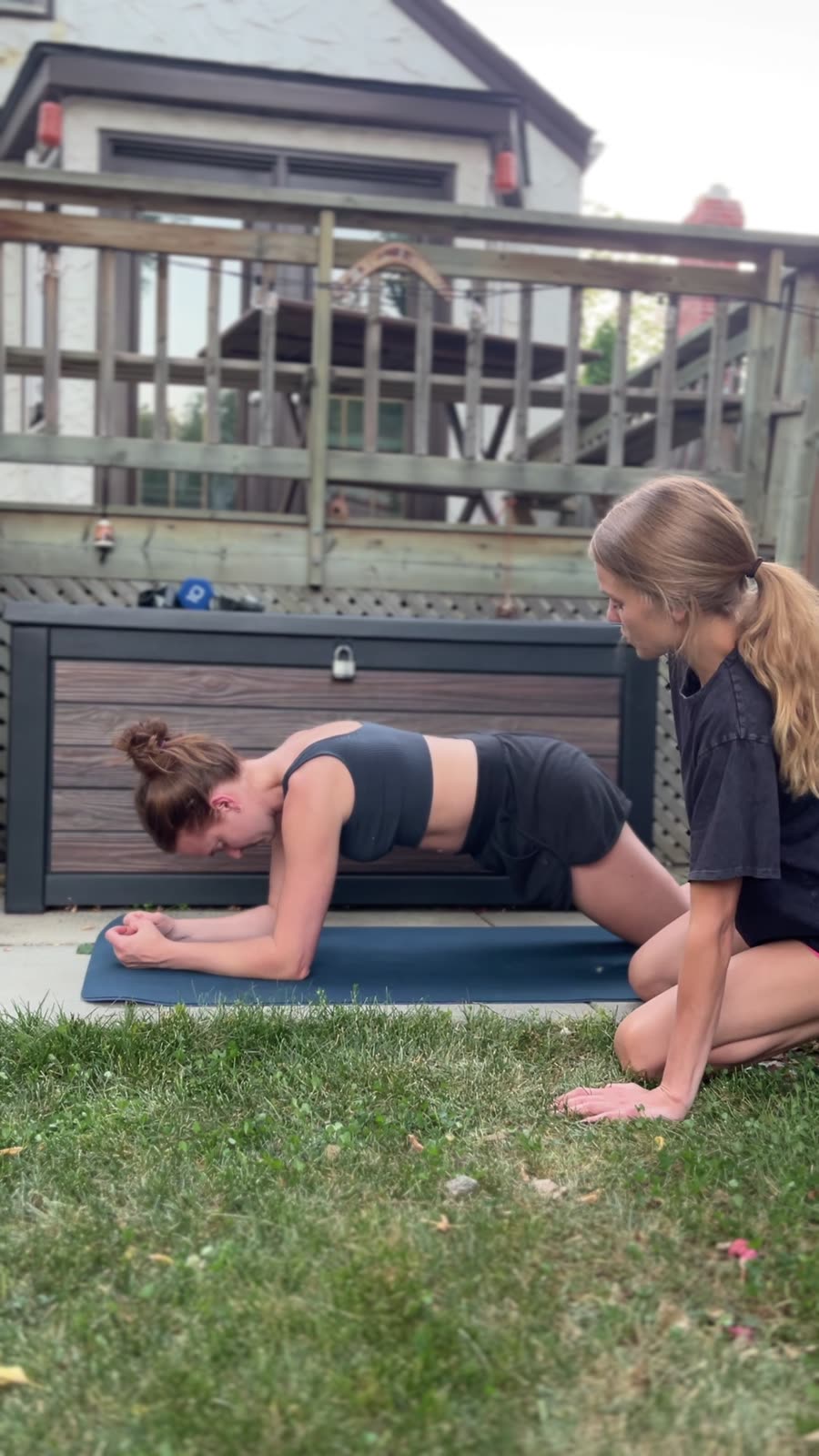
It all comes down to improving the patterns we repeat most: standing, walking, rotating, breathing. Once we understand how you move, we use that information to guide your training.
This is gradual work, and consistency is what creates progress. Your posture has developed through thousands of repetitions, so changing those patterns takes time too. With consistent training, you can give your body the opportunity to build new, more supportive movement patterns and discover what it’s capable of.
Your posture is the output of how you move all day
Standing, walking and breathing are the movements you do most, so they are where the work goes. The assessment shows which of them is doing the damage.
How I approach it
What people ask me
I’m not in pain. Is this still worth doing?+
Yes. You don’t need to be in pain to work on how you move. If you’ve noticed an imbalance or simply want to improve your movement, you can start before it becomes a bigger problem.
Will this straighten my posture?+
Our aim isn’t to force your body into a more "ideal" position. It’s more important to change the dysfunctional movement patterns that are contributing to your posture in the first place. As those patterns improve, we tend to find that the body naturally settles into a more ideal posture.
What if I’ve had poor posture for years?+
It’s never too late to work on how you move. Your body has had more time to practice those patterns, so changing them takes consistency. We start with where you are now and build from there.
How long does it take to change posture?+
There isn’t a set timeline. Posture develops through thousands of repetitions, so changing those patterns takes time and consistency. We use movement assessments and video to track changes as you progress.
Related pages
Start with a free 15-minute call
Fifteen minutes, no cost, no commitment. In Calgary or online.