
Your spine is not the whole story
Scoliosis affects much more than the shape of your spine. It changes the way you stand, walk, breathe, rotate, and use your body, and living with it can come with a lot of uncertainty about what you should and shouldn’t do.
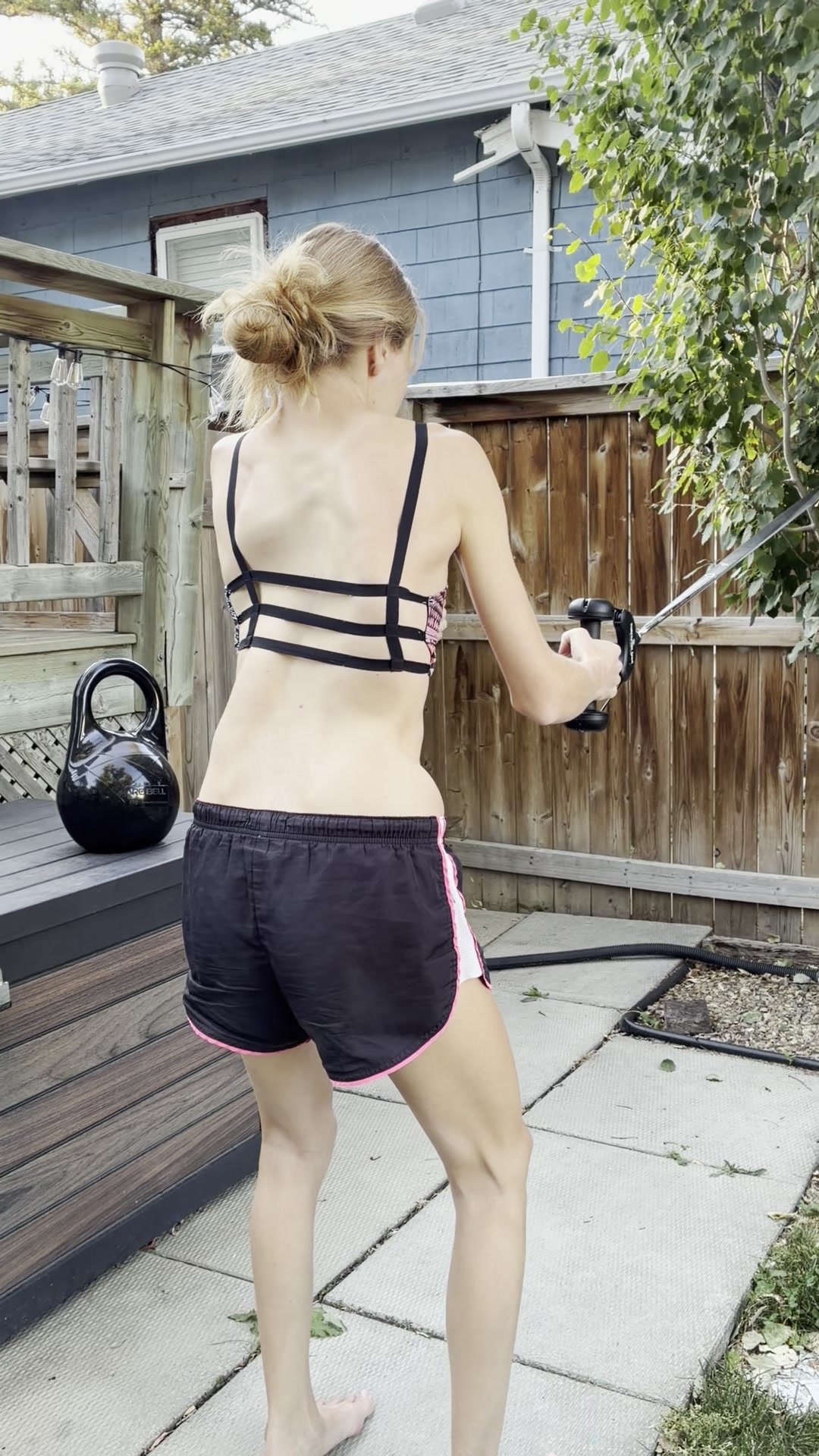
I know this personally. I live with severe scoliosis myself, and applying Functional Patterns methodology completely transformed how I approach my own structure, helping me eliminate pain and optimize my movement. Now as a certified Human Biomechanics Specialist, I help others with scoliosis learn to train their bodies rather than simply manage a diagnosis.
You may have experienced
Pain and discomfort
You may have dealt with back, hip, shoulder, or other areas of pain that seem difficult to explain or resolve.
Changes in breathing
You may have noticed differences in how easily you can breathe, expand your rib cage, or take a deep breath.
Feeling different in your body
Asymmetry, rib humps, uneven shoulders or hips, or changes in your posture can affect how comfortable and confident you feel in your own body.
Fear of movement
You may have been told to avoid certain movements, especially rotation, or been made to feel like your spine is fragile.
Being told to simply manage it
Bracing, monitoring, managing symptoms, or being told that surgery is the only answer can leave you wondering whether this is really all you can do.
Trying everything
You may have tried physiotherapy, stretching, strengthening, massage, Pilates, yoga, or other approaches without finding something that produced lasting results.
Train the human, not just the diagnosis
As a certified Functional Patterns Human Biomechanics Specialist, my approach focuses on how your entire body moves and functions together.
Rather than focusing solely on the curve itself, we look at the movement patterns that surround it. How you stand, walk, rotate, breathe, and transfer force through your body.
The goal is to identify the underlying movement dysfunctions and work toward changing them to give your body the opportunity to develop better patterns and a more balanced structure.
What makes this different?
Traditional approaches often focus on the curve itself, the area where you feel pain, or strengthening individual muscles.
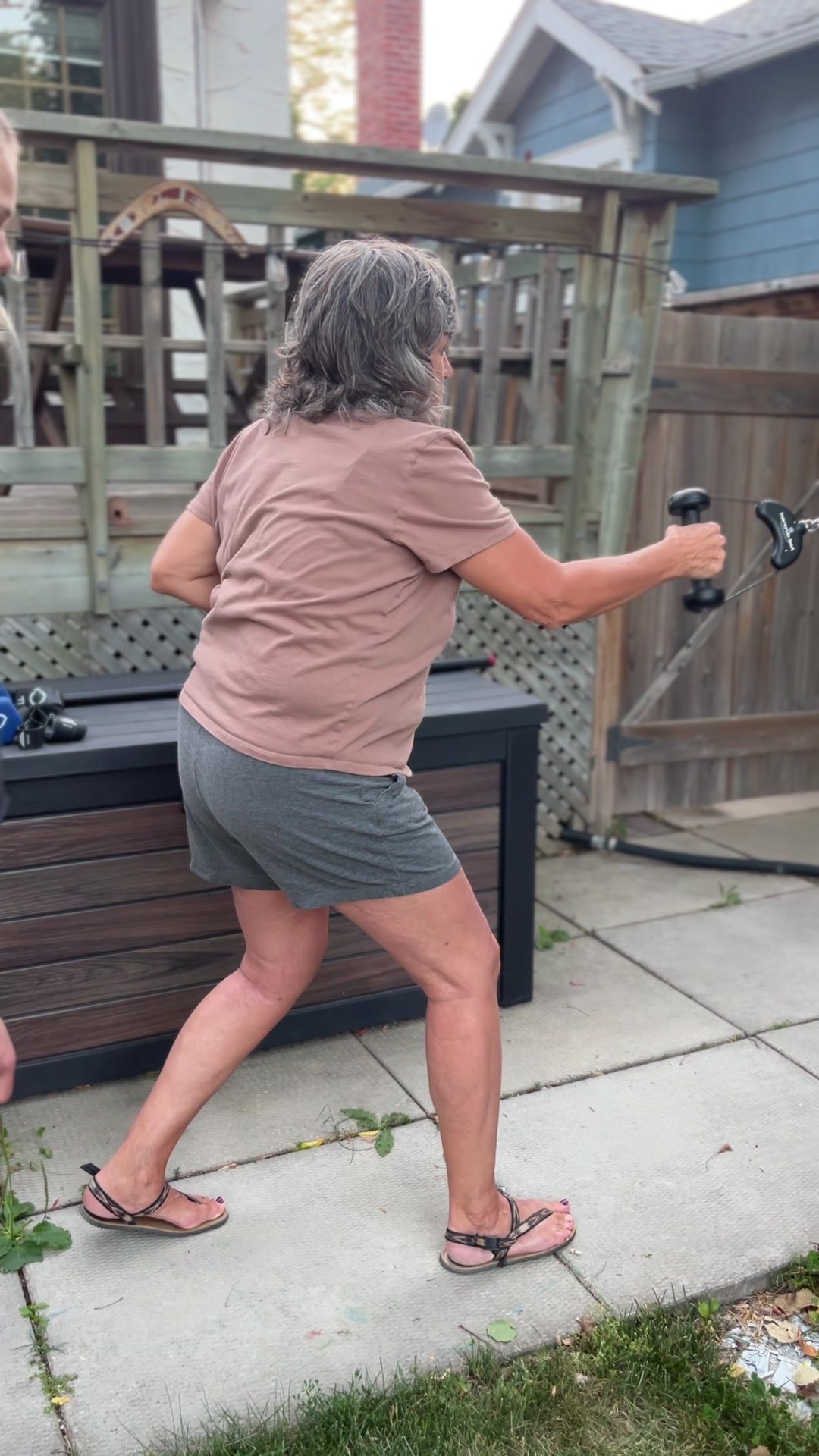
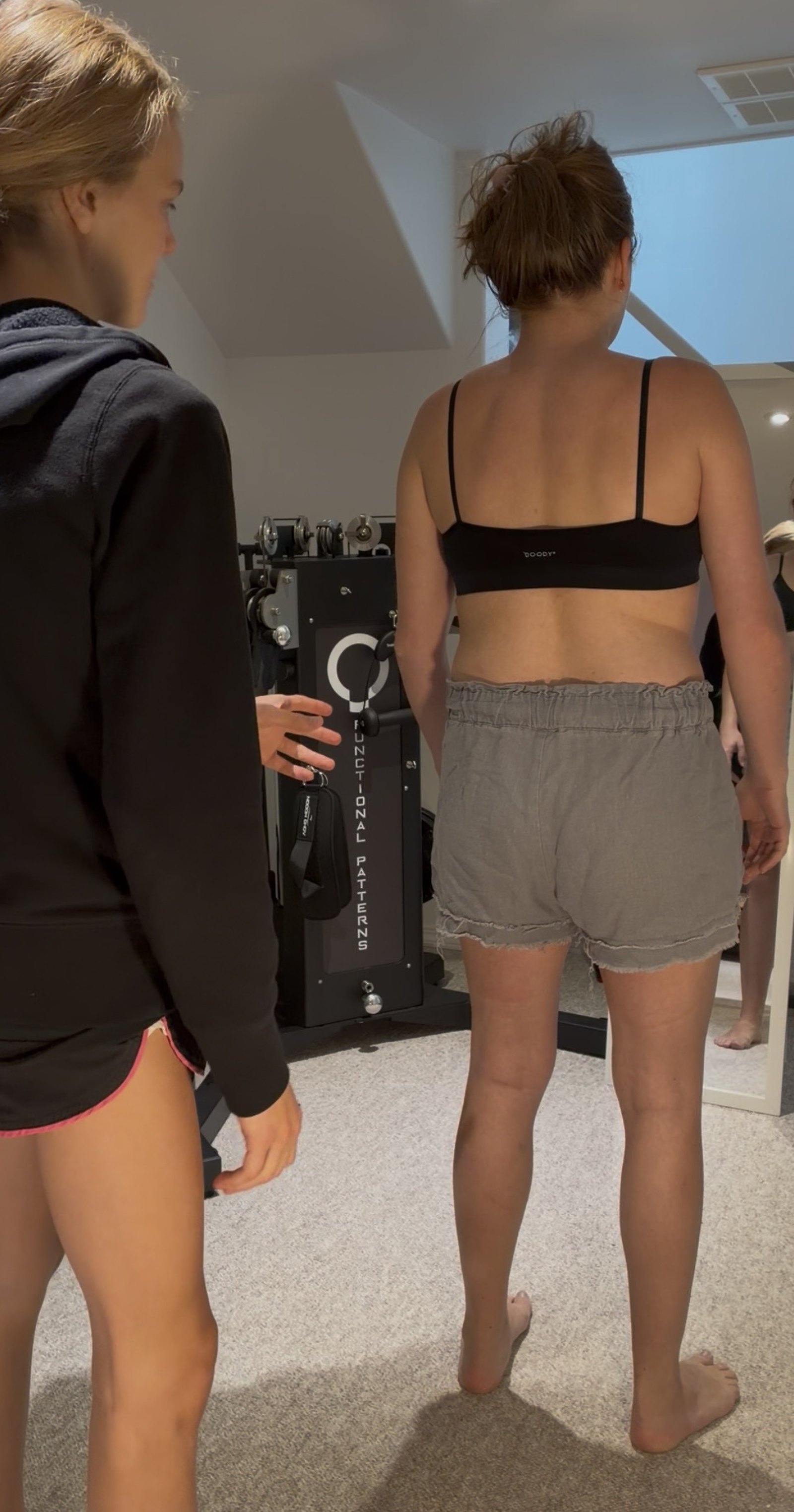
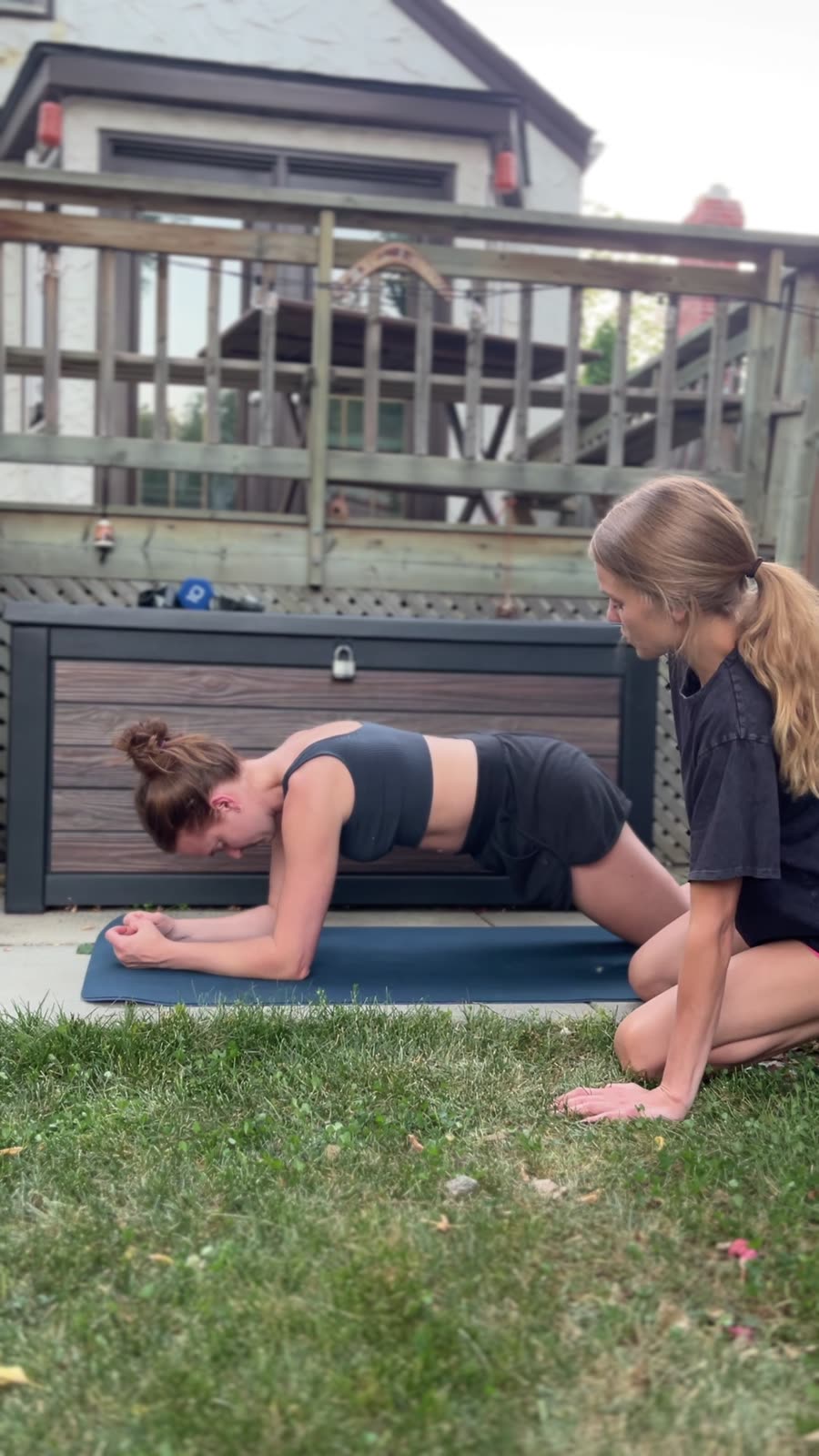
We look at your whole movement system. Utilizing Functional Patterns methodology, we start by evaluating how you move, identifying the foundational patterns that contribute to pain or imbalance, and systematically retraining them.
We aren’t chasing a perfectly straight spine. We are chasing better biomechanics so your body has a strong foundation to support a more balanced structure.
You are not your diagnosis
Having scoliosis doesn’t mean your body is broken or that you have to be afraid of movement. You can still build strength, improve your movement, and challenge your body. I know this because I train with severe scoliosis myself.
Applying the Functional Patterns methodology gave me a different way to approach my body, and now I want to help you discover what your body is capable of too.
Your first few weeks
Please note: I offer coaching to help improve posture, breathing, and functional movement. This is not medical advice, diagnosis, or treatment for scoliosis. If you are currently seeing a medical professional, this work can safely complement your existing care.
What people with scoliosis ask me
Will this straighten my spine?+
We are not chasing a perfectly straight spine. We are working on better biomechanics and incorporating the structure of your spine into how you train, with the goal of improving how your body moves, supports itself, and functions.
Functional Patterns has seen many cases of scoliotic curvatures improving through this approach. By addressing the biomechanics around the spine and training the body as a whole, we can also work toward reducing pain and improving posture.
Results vary from person to person, and there is no guarantee that a spinal curvature will straighten.
Is training safe with a curve?+
Sessions are built around what your assessment shows.
The training is designed to support the spine rather than place unnecessary strain on it. Movements are controlled and individualized to the person. We meet you where you’re at.
Is it too late to work on scoliosis as an adult?+
No. While younger bodies may adapt more quickly, adults can still make meaningful changes through training.
Many of our scoliosis clients are adults who were told there was little they could do beyond managing their condition or considering surgery. The focus is on improving the way the body moves and functions by working with the spine, muscles, fascia, and surrounding movement patterns.
With consistent training, some people may experience reduced pain, improved symmetry, better posture, and changes in their spinal curvature. Results vary from person to person, and there is no guarantee of curve reduction.
Do you work with people whose scoliosis is mild?+
Yes. I work with people across the full range of scoliosis, from mild to severe.
Related pages
Start with a free 15-minute call
Fifteen minutes, no cost, no commitment. In Calgary or online.